Our Story · Six Generations
A house grown,one harvest at a time.
Prologue · Navarrete, c. 1916
Long before there was a brand, there was a field. Long before there was a name, there was a man who knew, by the weight of a leaf in his palm, what season it would become a cigar.
TíoLeo did not begin in a boardroom. It began the way most worthwhile things do — with patience, with conversation, and with the quiet authority of a family that has spent over a century listening to the land.
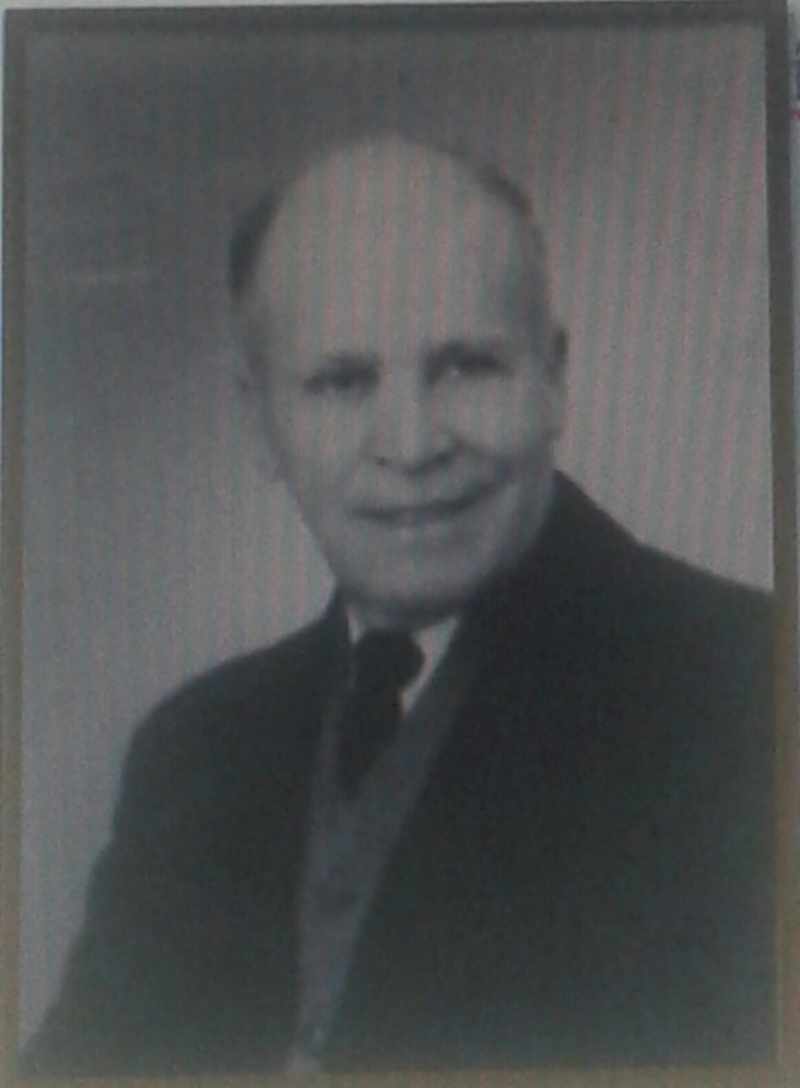
Julio Samuel Reyes Fermín · First Generation · c. 1916
Chapter I · The Founder
The seed that began a six-generation house.
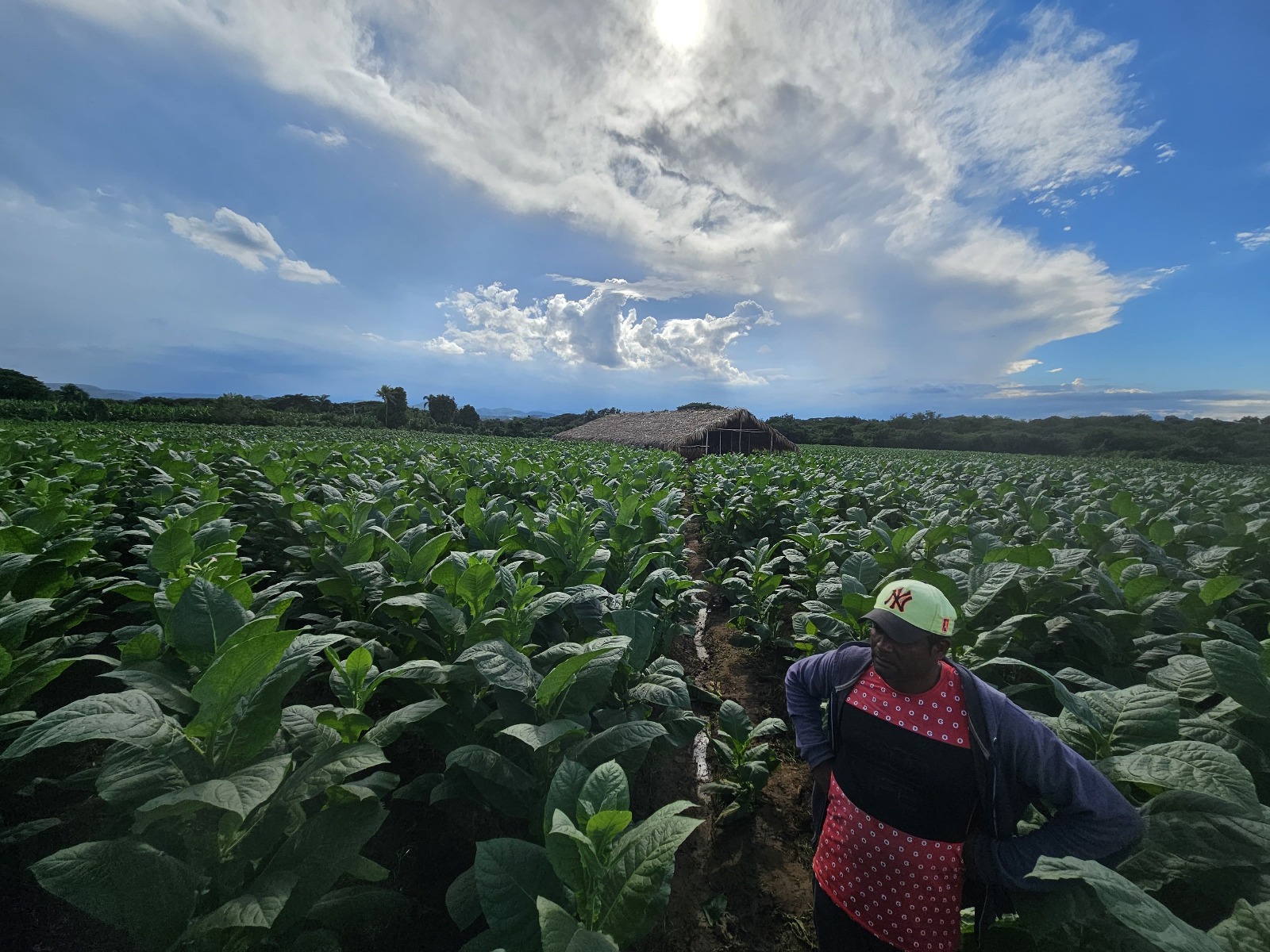
Around 1916, in the small Cibao town of Navarrete, Julio Samuel Reyes Fermín began what would become the cradle of our family — sowing, curing, fermenting and trading tobacco from the very land that still bears our name today.
He was the first known generation to formalize the craft, and a quiet pioneer: in 1961, on his own fields, the first piloto cubano seed ever planted in the Dominican Republic — and in the Caribbean — took root. From that experiment, an entire chapter of Dominican tobacco was born.
The company he founded — today Flor de los Reyes, S.A. — still stands in Navarrete. The fields are still tended. The standard he set has never left the family.
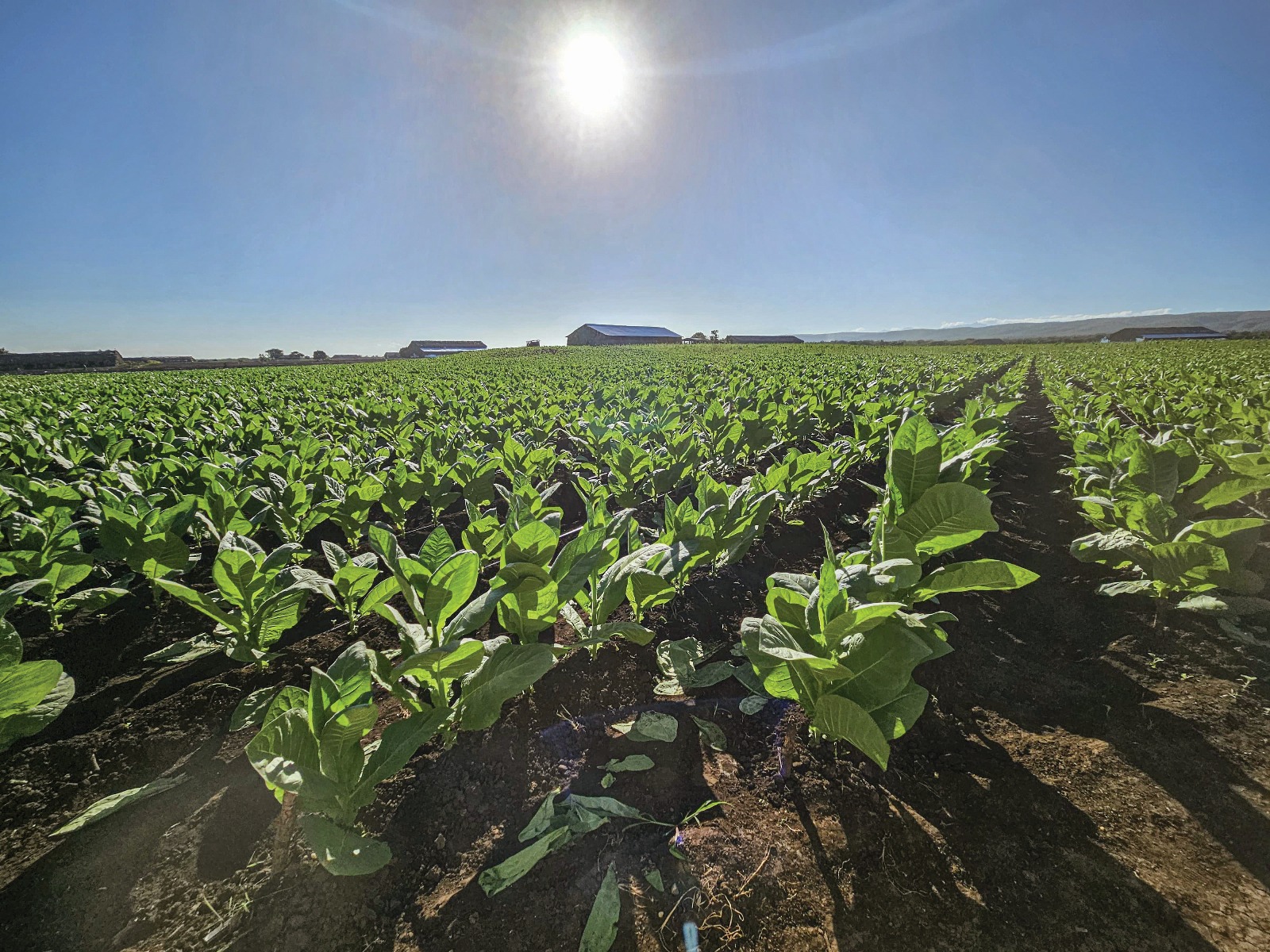
Navarrete · 1961
The first field of piloto cubano seed ever planted in the Dominican Republic — and the Caribbean — took root here.
Cuban-seed varietals — planted, harvested, fermented and cured entirely in the Dominican Republic.
As featured in Humo Latino Magazine · Listín Diario
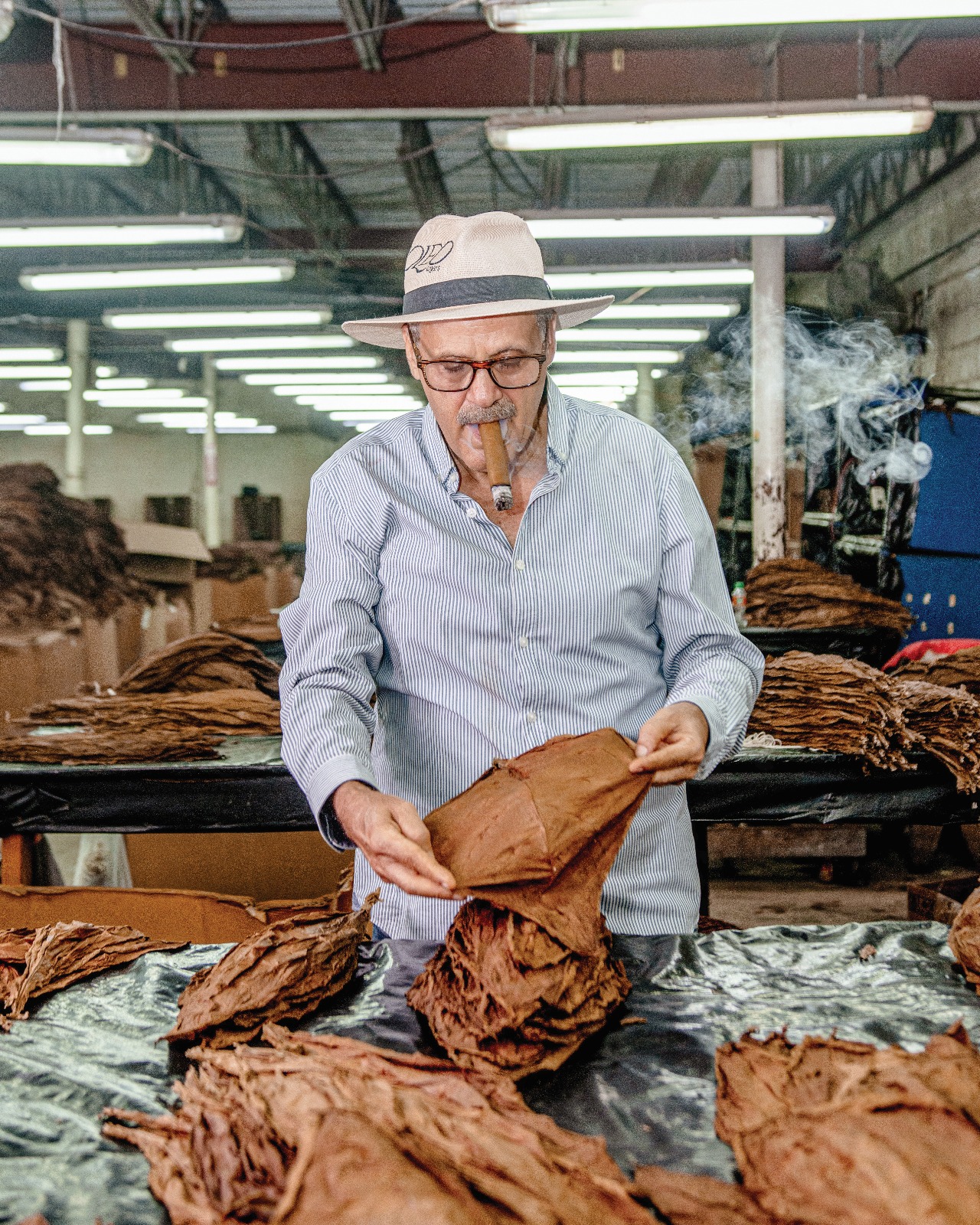
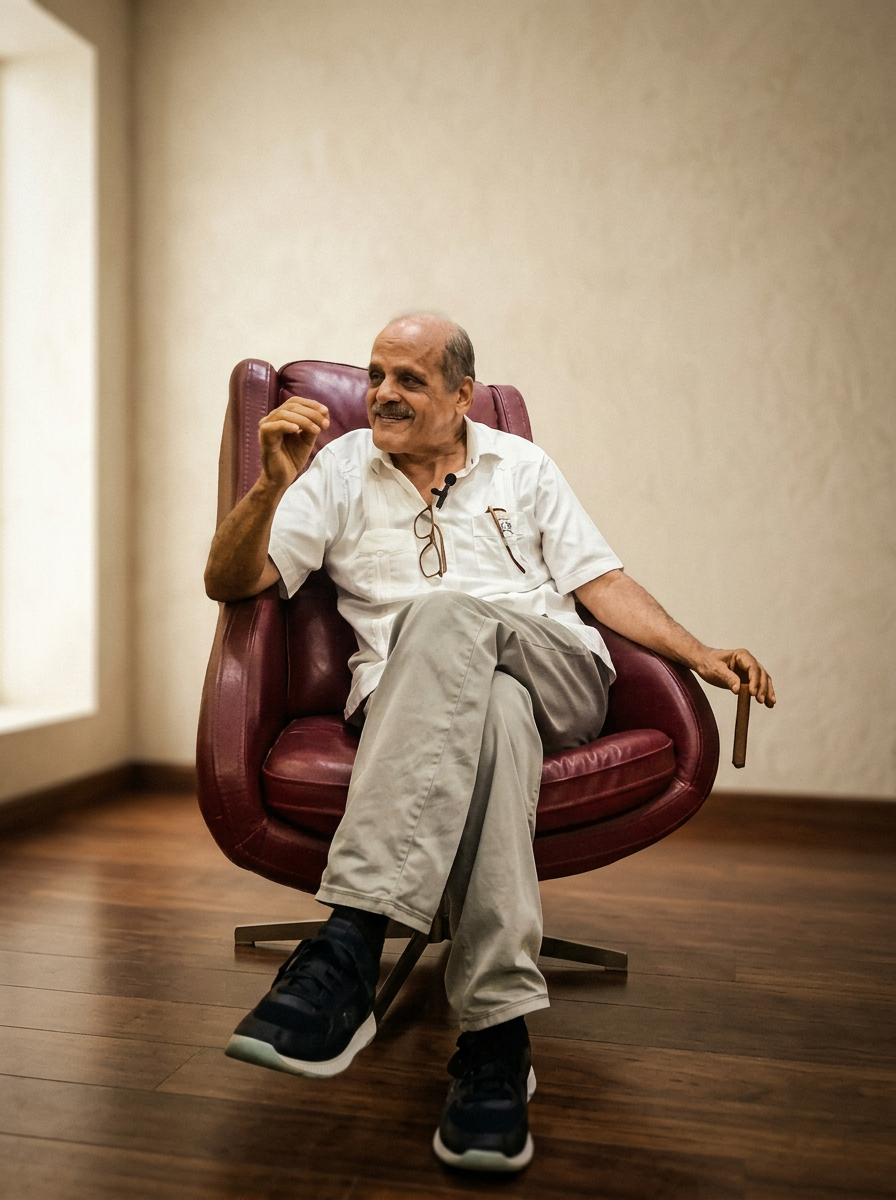
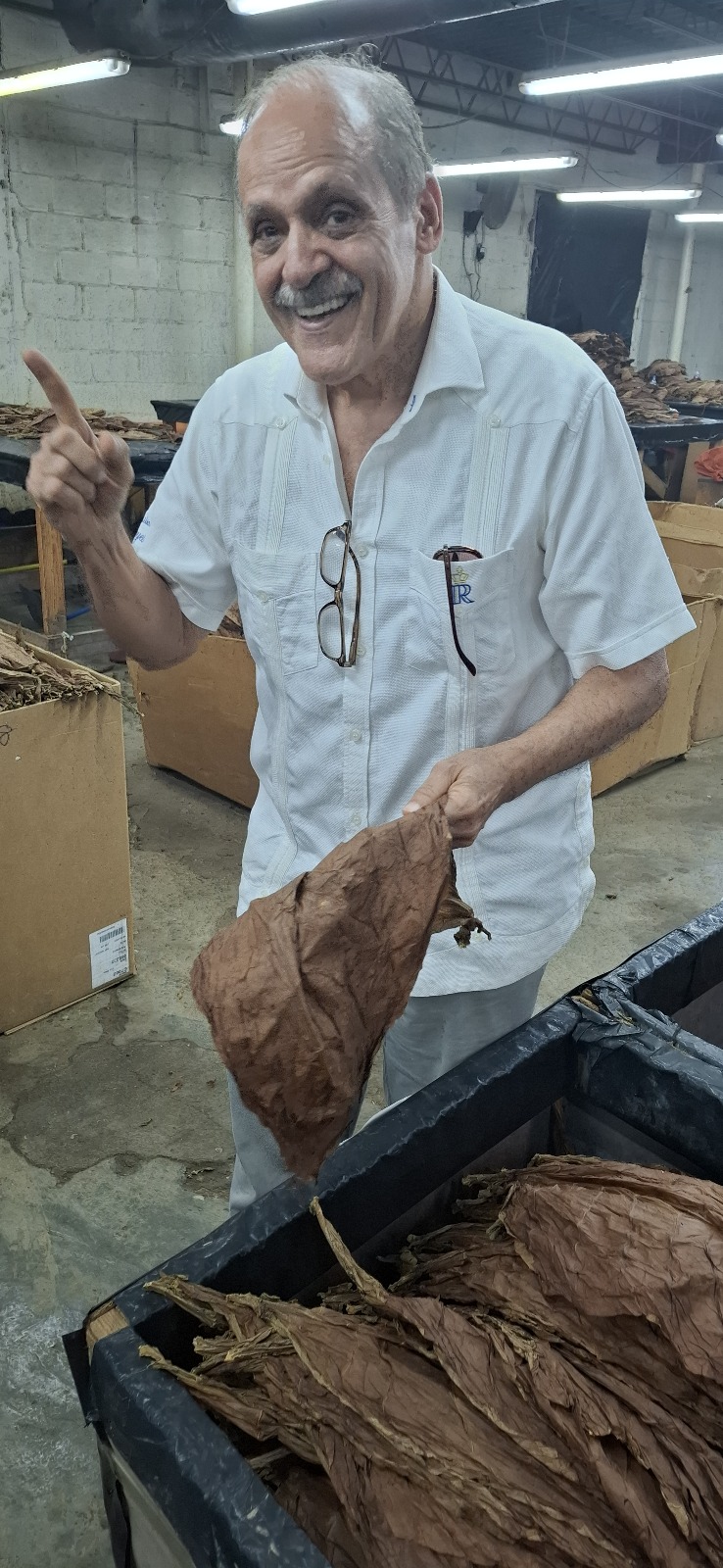
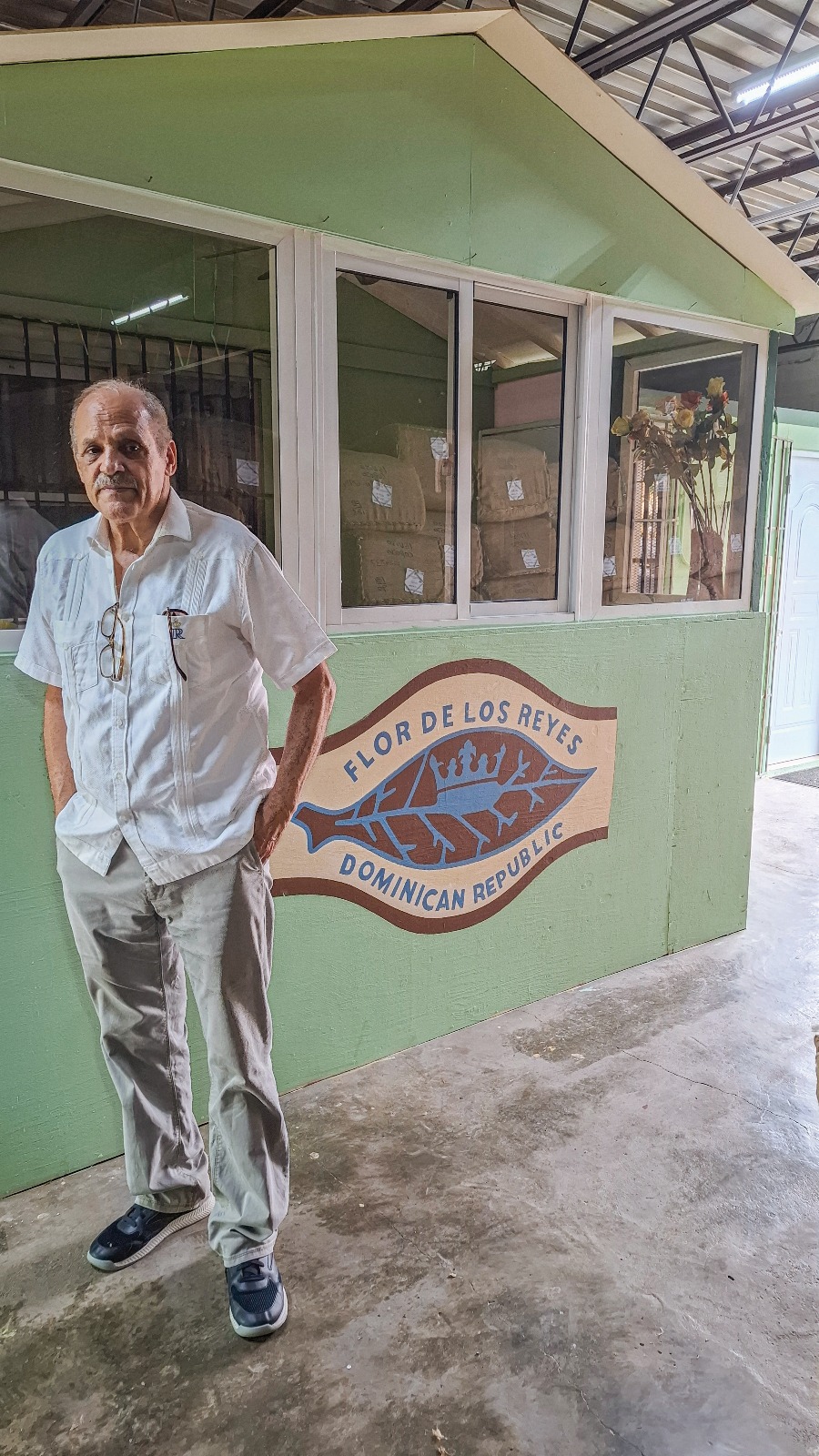
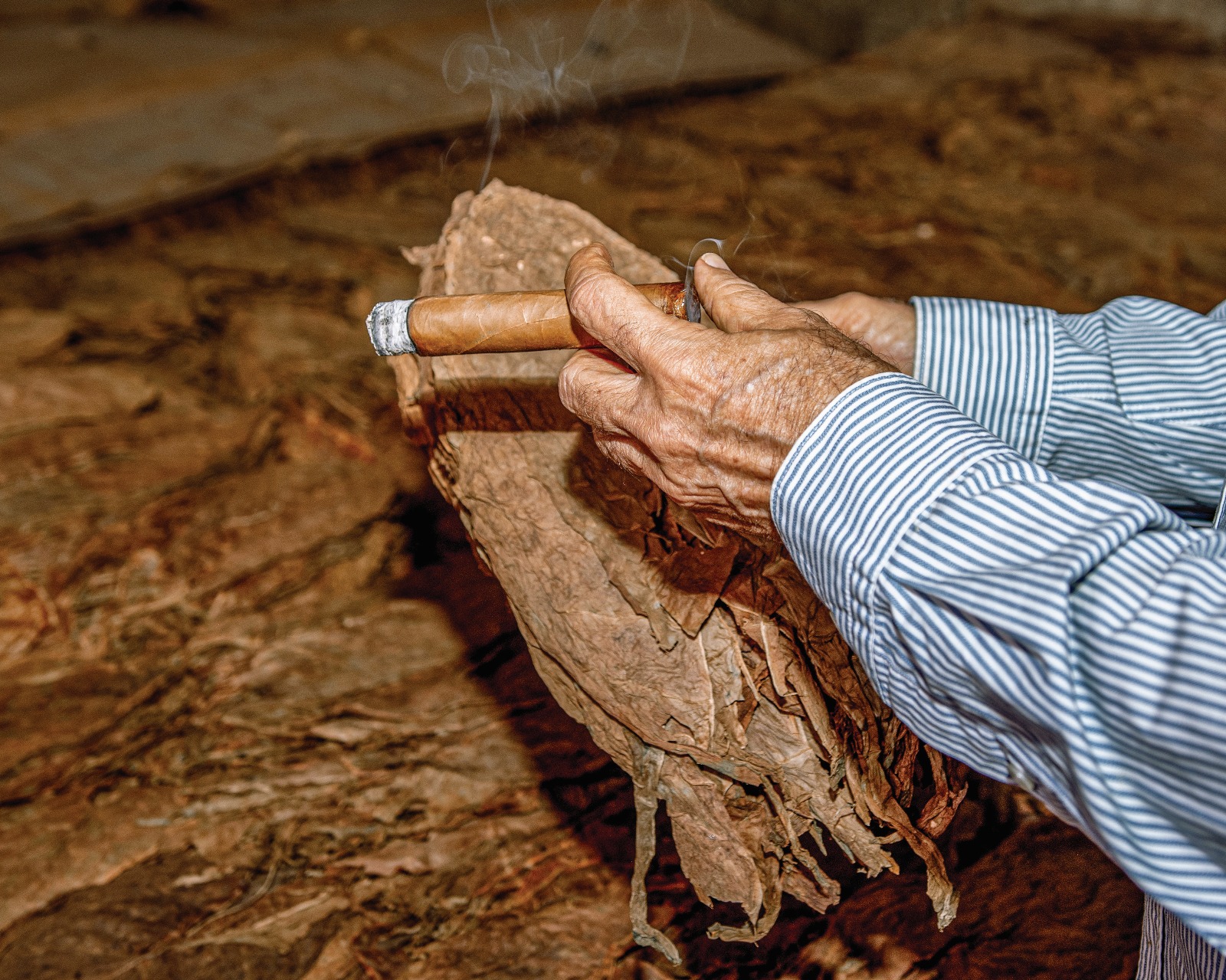
A portrait of Tío Leo, in his element.
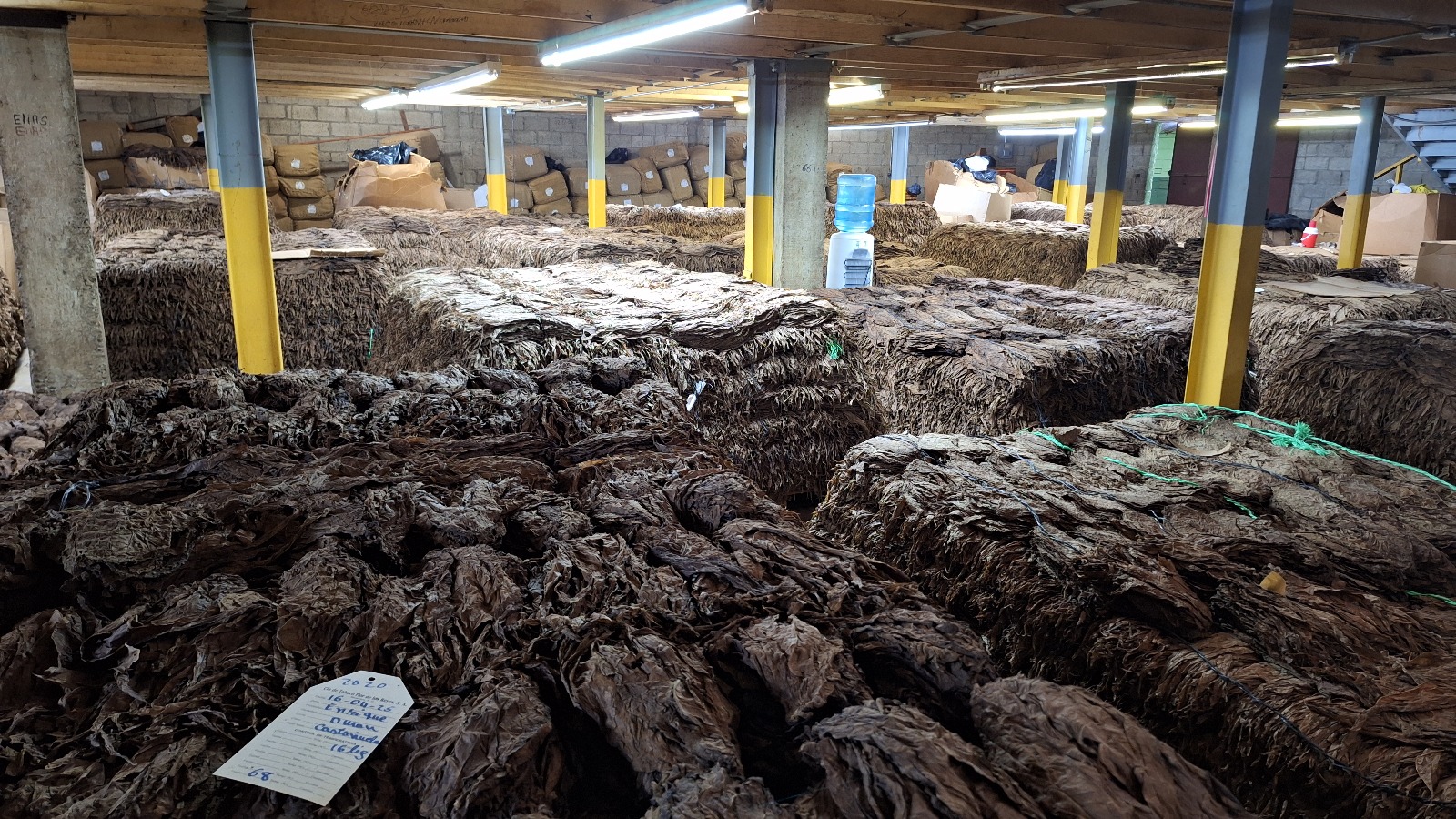
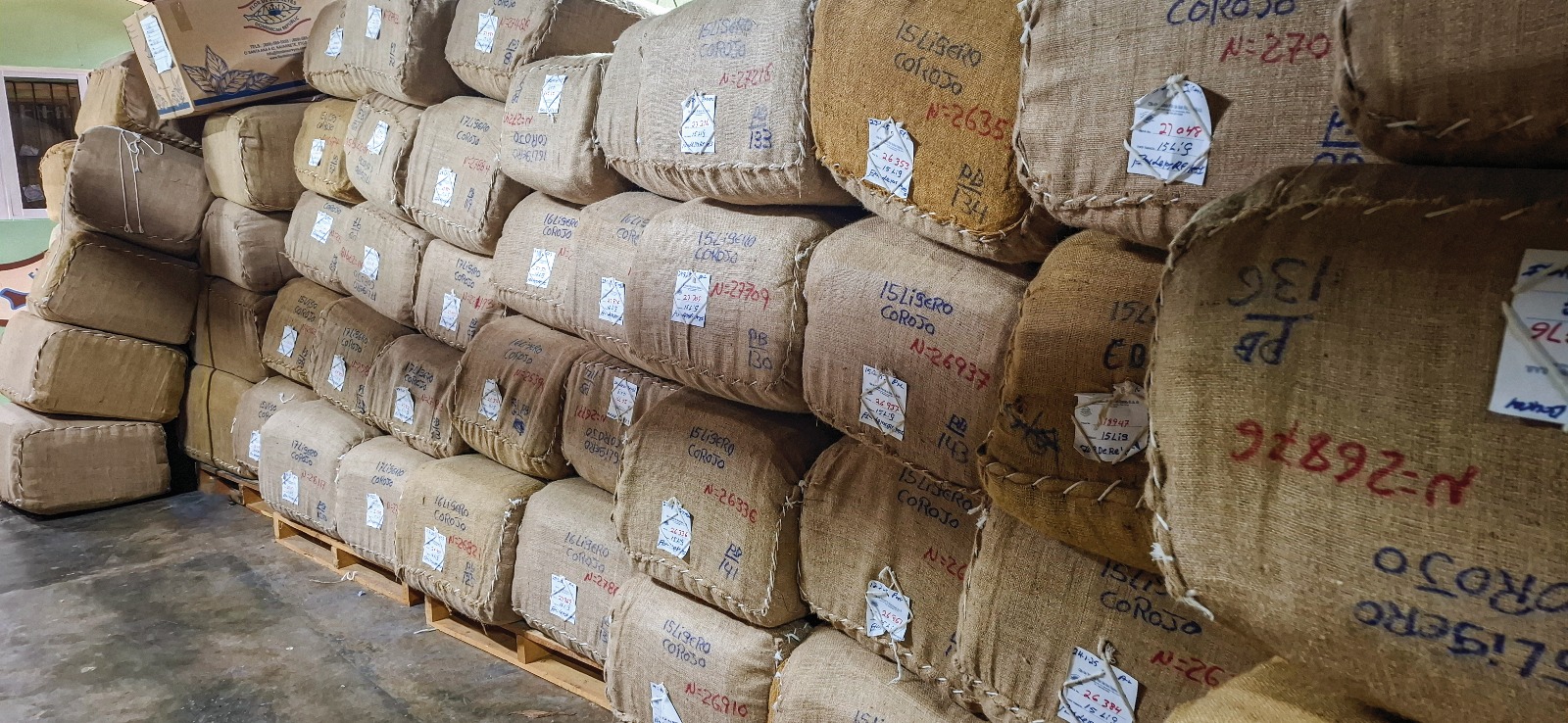
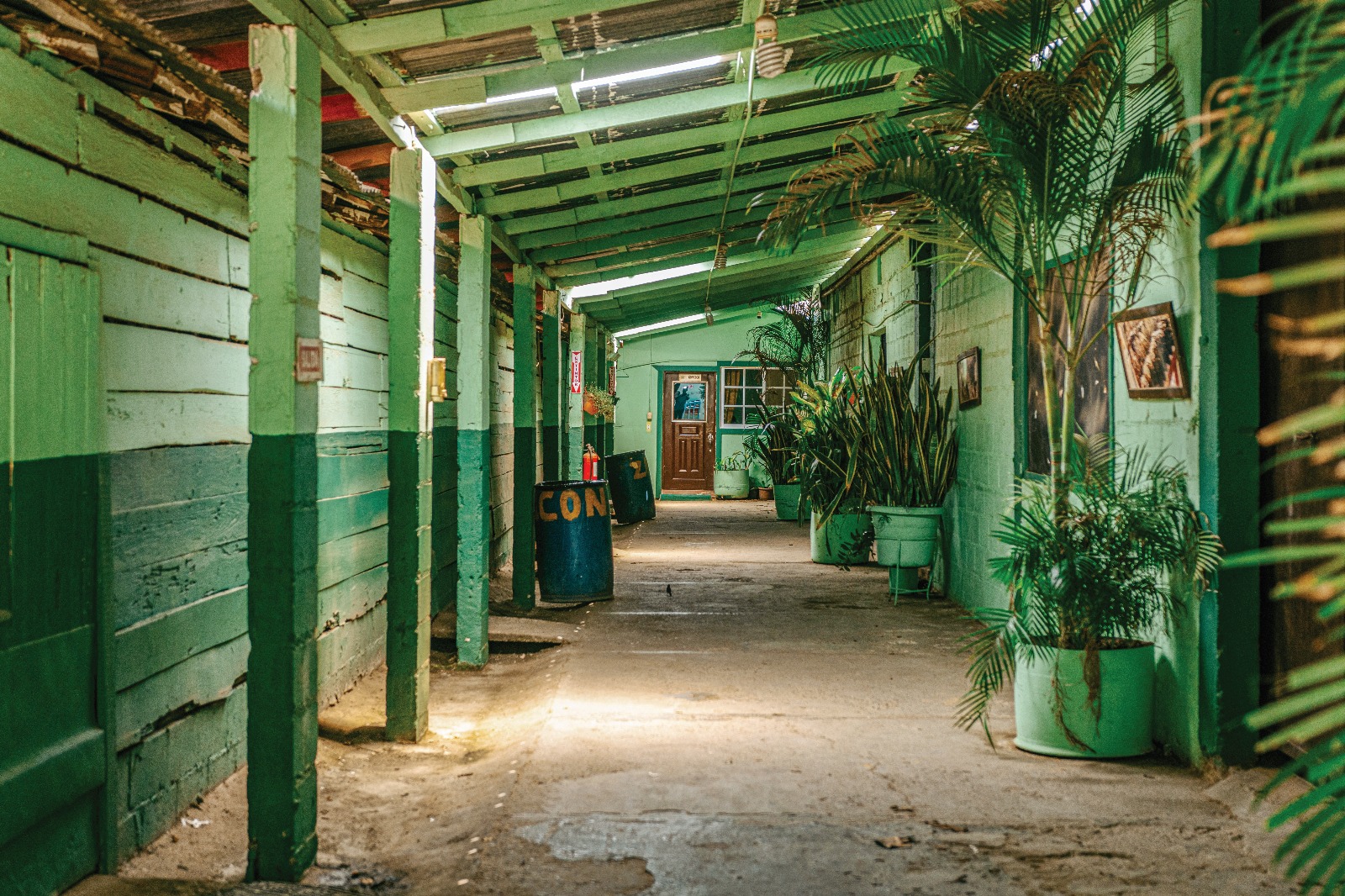
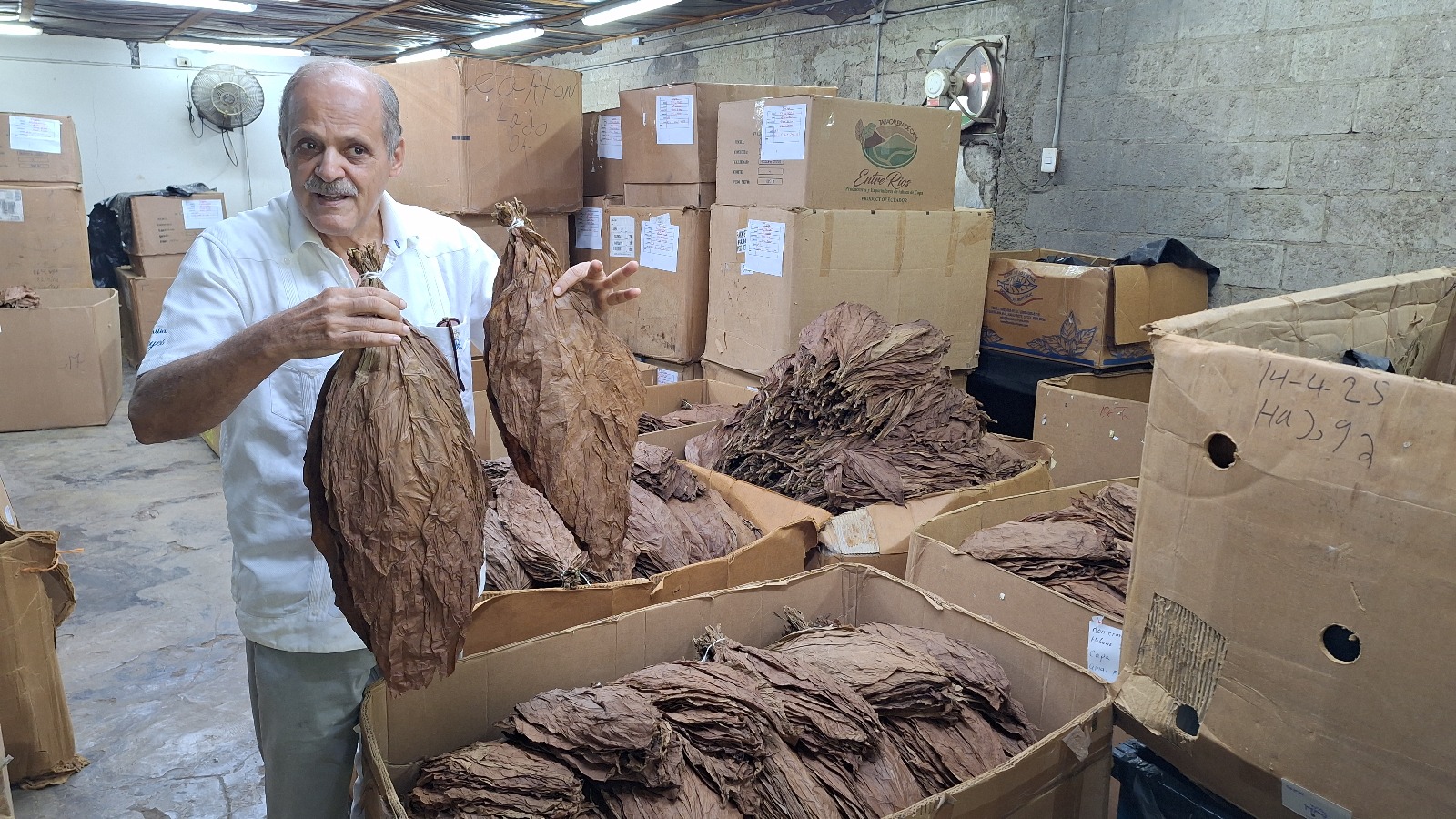
From his fields in Navarrete to warehouses that ship to the United States, Germany, China, Honduras, Nicaragua and Morocco — the Reyes house remains one of the largest, and quietest, growers in the Dominican Republic. Don Leo, as the press calls him, has spent over 50 years committed to one promise: quality over quantity.
Chapter II · The Land
The world's finest soil for tobacco
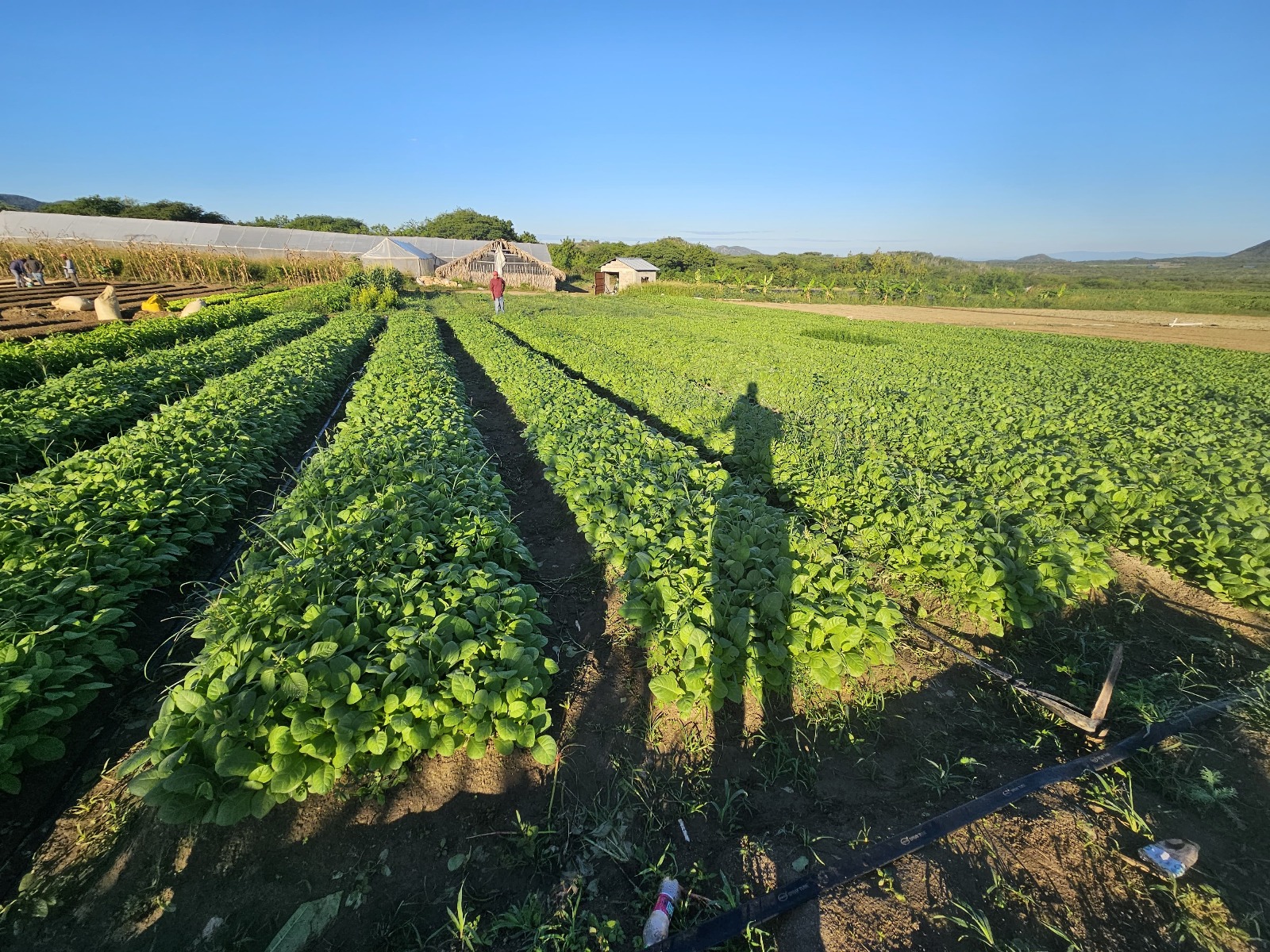
Navarrete, Villa González, Tamboril — the Cibao Valley is, by quiet consensus, the world capital of the cigar. Mineral-rich alluvial soils, altitude, the breath of the trade winds, and a microclimate that has favored the leaf for centuries: this is where our tobacco has always been grown.
“We have the finest soil in the world to grow tobacco — and we are proving it with what we make.”
— Leonardo "Tío Leo" Reyes
Chapter III · Brand Values
Three quiet principles.
Craftsmanship
Honoring the artisanal legacy behind every cigar — from seed to smoke, every detail intentional.
Culture
A living tribute to Dominican heritage. Rhythm, pride, and soul — preserved through refined moments.
Experience
We do not offer cigars; we curate timeless experiences crafted to leave a lasting memory.
Leonardo "Tío Leo" Reyes · Master Grower · 40+ Harvests
Chapter IV · The Uncle, the Niece
Six generations, one conversation.
Born in 1951 in Santiago de los Caballeros, Leonardo Reyes — Tío Leo — is the fifth generation of growers in our family. After studying civil engineering in Monterrey, he returned home and, in 1984, devoted himself fully to the leaf. Forty harvests later, he is regarded as one of the most respected growers in the Dominican Republic — quietly supplying many of the world's most renowned houses.
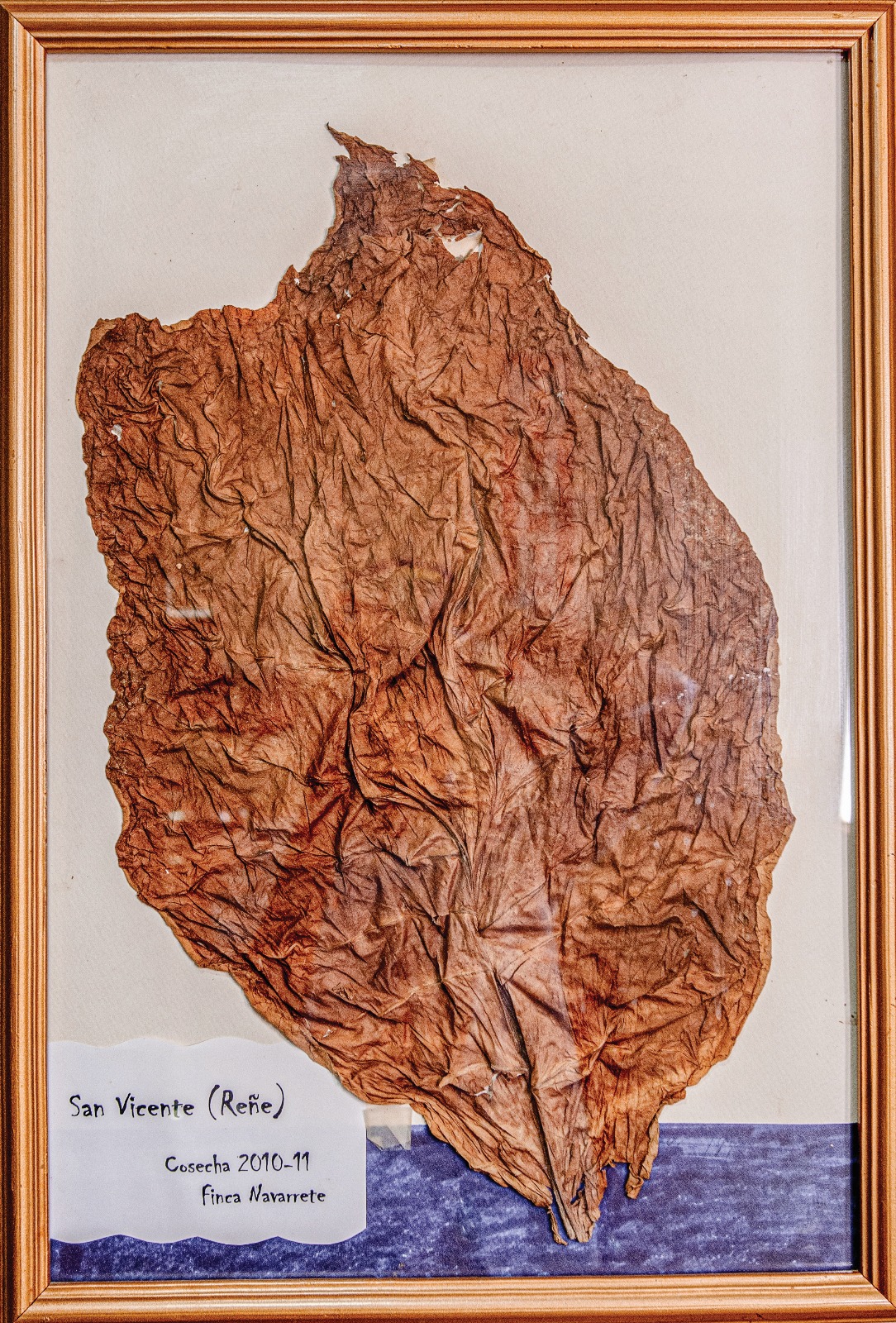
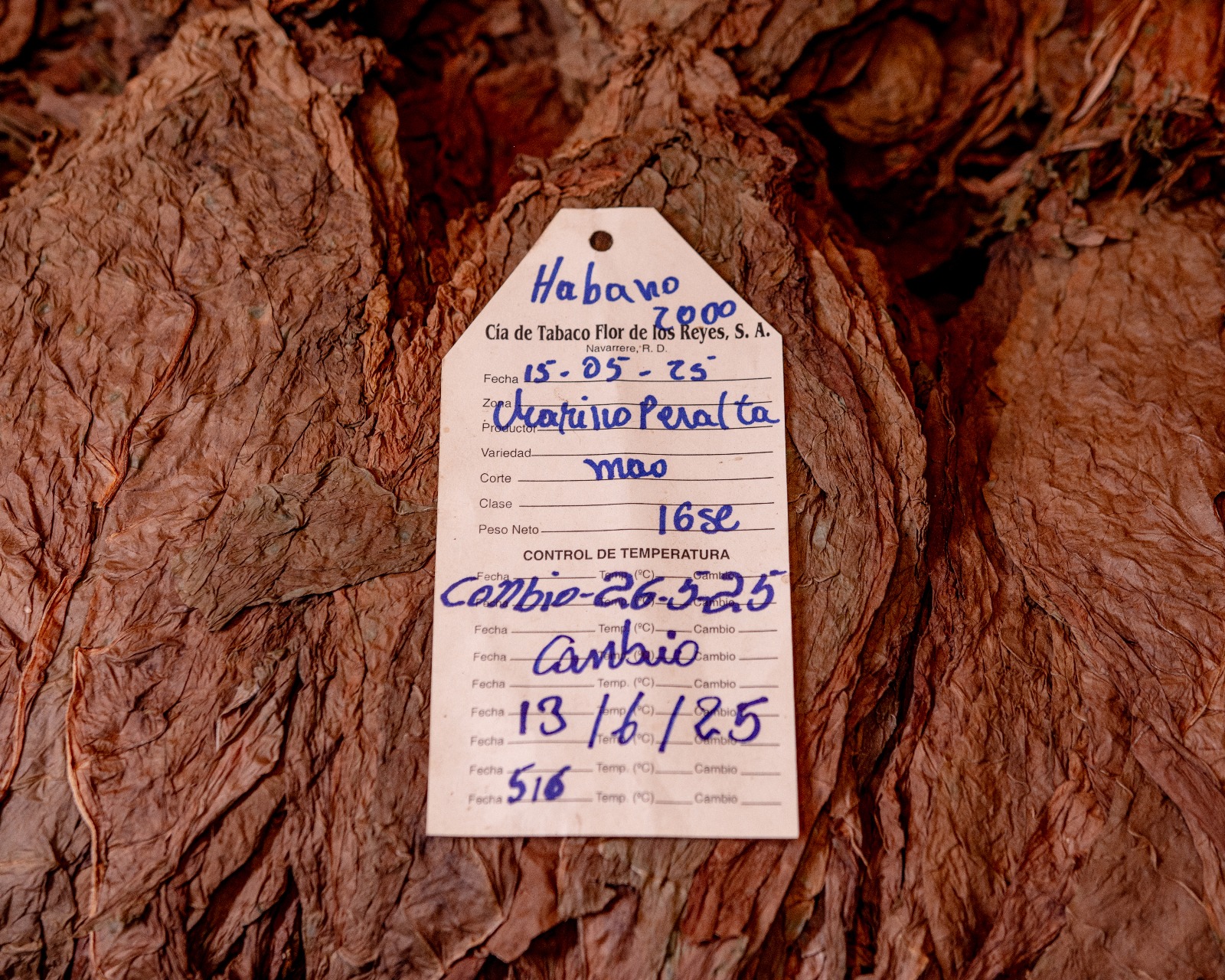
On his fields he still cultivates sixteen varieties of Cuban-seed origin — Corojo, Habana 2000, San Andrés, Santo Espíritu, his own creation Corojo 2020 — every one of them planted, harvested, fermented and cured entirely in the Dominican Republic, and aged for years before they earn his approval. Quality over quantity is not a slogan. It is printed on the boxes because it is how he lives.
When Fabiola — sixth generation — began to imagine a cigar of her own, she did not look outward. She walked back into the fields where she had spent her childhood, and asked her uncle one simple question.
“What would you make, if no one was rushing you?”
The answer, after many seasons, became the first TíoLeo blend.
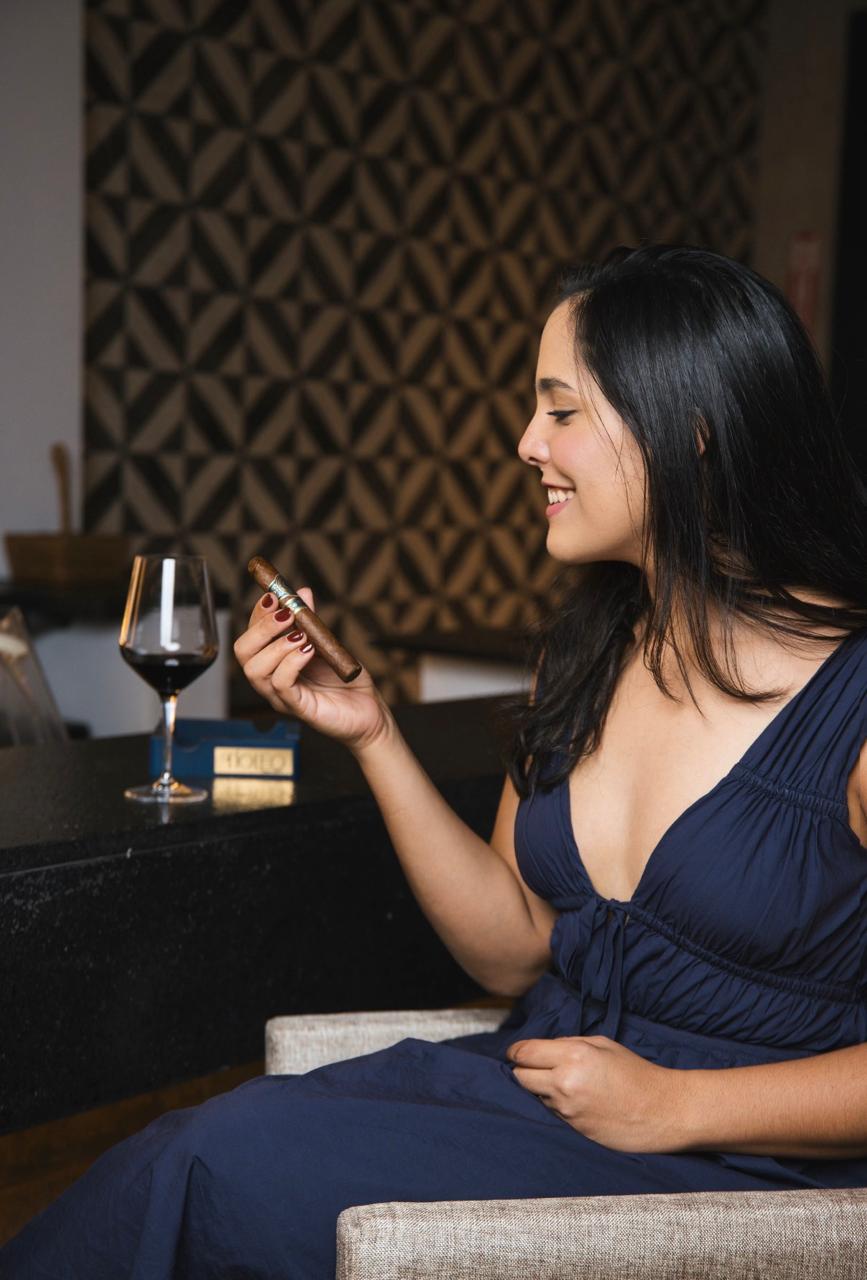
Fabiola Saval Reyes · Sixth Generation · Founder
Chapter V · The Brand Is Born
A tribute shaped by time, curiosity, and the leaf.
TíoLeo Cigars did not begin as a business plan. It began quietly — through years of questions, visits to tobacco houses, long conversations over cigars, and a growing fascination with the world behind the leaf.
Fabiola Saval Reyes, sixth generation of the Reyes tobacco family, first entered the tobacco world at sixteen, working voluntarily alongside her uncle, Leonardo "Tío Leo" Reyes, inside the family's tobacco operation. What began as curiosity soon became formation. She observed. She asked. She listened. She learned the rhythm of the fields, the language of fermentation, the discipline of aging, and the difference between making a cigar and understanding one.
Before founding the brand, Fabiola moved through several industries — food, textiles, operations, logistics, hospitality and large-scale events — eventually serving in logistics for the PGA TOUR in Punta Cana. Yet the tobacco world never fully left her.
Nothing added. No flavorings, no shortcuts. Only time, the soil, and the leaf — exactly as they are.
— The TíoLeo Standard
Today, and onwards
The story is still being grown.
Each cigar that leaves our factory carries something quietly defiant — the belief that the slow way, the careful way, is still the right way.